
 Ben Bland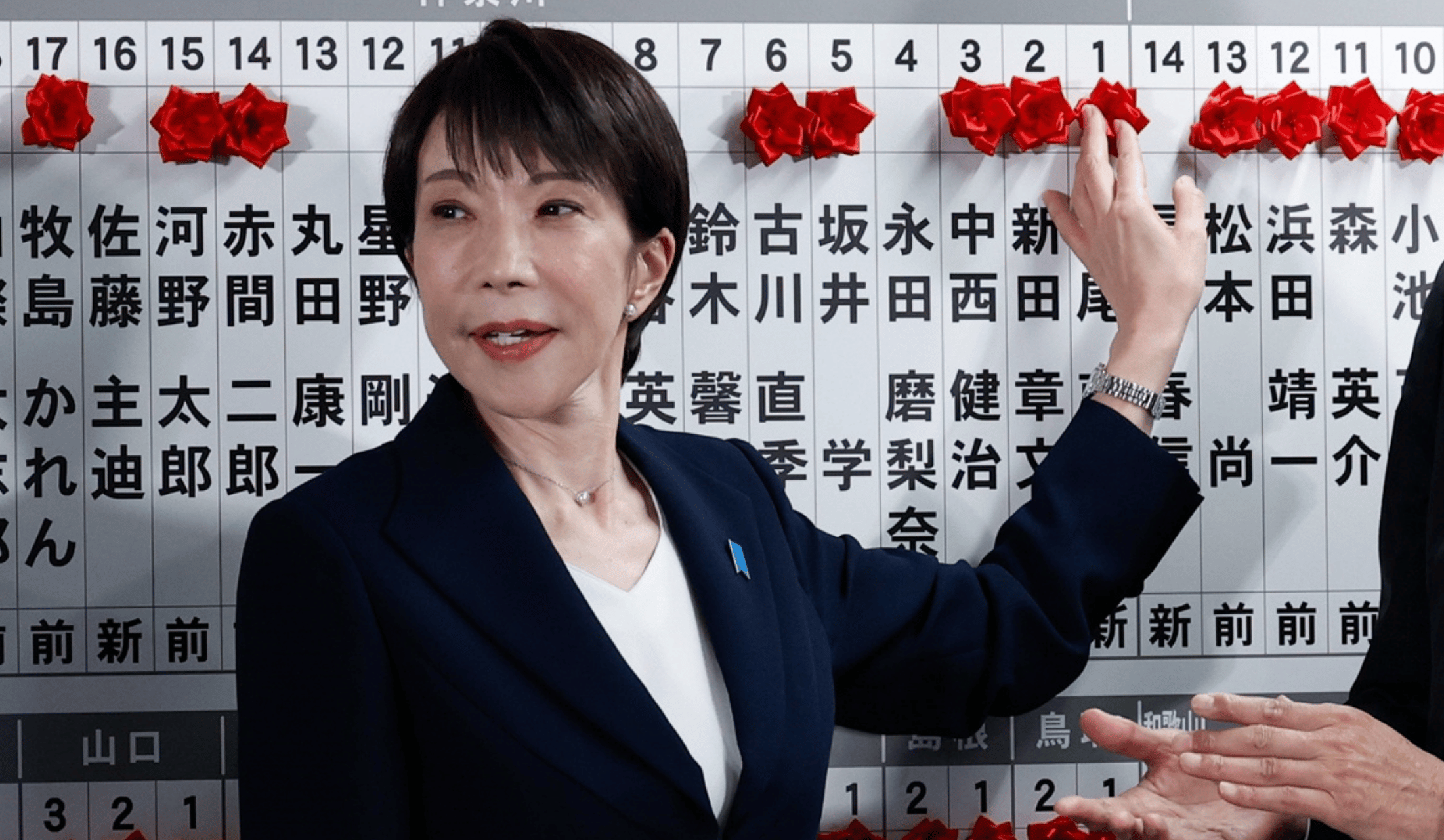

Beijing will be displeased by Prime Minister Sanae Takaichi’s election triumph, but most Asian leaders will welcome a strong Japanese government.
Last weekend’s landslide election victory by Sanae Takaichi, Japan’s prime minister, prompted China to warn Tokyo to ‘follow the path of peaceful development rather than return to militarism’. Beijing is wary of Takaichi’s right-wing, nationalist credentials, and had already launched a round of military provocations and coercive economic measures in response to comments she made about Taiwan in November.
But many Asian governments will welcome Takaichi’s victory – if she can use her unprecedented parliamentary majority to strengthen Japan’s economy, security and global role. Asia’s leaders do not want to see their region dominated by Beijing or at the mercy of Washington’s will. They see a resurgent Japan as a key partner to bring balance to the world’s most consequential continent.
After five prime ministers in six years, Takaichi now has the political platform to bring about lasting change. She has vowed to use her mandate to cut taxes, boost defence spending and revise Japan’s pacifist, post-Second World War constitution, which constrains the military, known as the Self-Defense Forces.
It was these promises, alongside her straight-talking style, embrace of traditional values and call for an immigration crackdown, that helped her ruling Liberal Democratic Party (LDP) secure support from a broad swathe of the Japanese public.
The 64-year-old, who wants to take on the mantle of her mentor, the late former prime minister Shinzo Abe, will find delivering on these pledges difficult. There are unresolved tensions between her ambitions to reduce taxes and expand public spending, while balancing the budget, managing the heavy debt burden and keeping Japan’s international investors on side.
Constitutional reform – never yet achieved – will require a two-thirds majority in both parliamentary houses, which the LDP only has in the lower house. It will also need backing in a public referendum.
And the international outlook remains fraught, amid an ongoing diplomatic row with China and the turbulence emanating from the US, Japan’s key defence ally.
Strong foundations
However, there is little doubt that, beyond Beijing, most of the rest of Asia wants Takaichi to succeed. The region is wary of becoming too reliant on either Beijing or Washington, and fearful about how the rivalry between the two superpowers could create damaging instability.
These feelings are shared, albeit to differing degrees, across US allies, countries with independent foreign policies, and those moving closer to China. In a world where multilateral institutions are in decline, and transactional diplomacy is in the ascendency, governments are looking for stable and predictable partners.
Takaichi can build on strong foundations. Japan is already respected for its principled approach to diplomacy, its long-term focus on infrastructure and industrial investment, and its nascent efforts to boost security and defence cooperation.
The prime minister should continue to expand Japan’s security partnerships with non-aligned nations, particularly with India and in Southeast Asia, where most reject China’s exaggerated claims that Tokyo is seeking to replay Second World War militarism. On the contrary, they see Japan as an important partner to help them boost their own independent capabilities, while China’s People’s Liberation Army advances at a worryingly rapid pace and scale.
International risks
There are plenty of risks on the international front. Takaichi will need to carefully manage the relationship with the US, keeping Tokyo’s security guarantor on side.
President Donald Trump, who likes big election winners, offered warm congratulations to Takaichi on her victory.
But his administration is also pushing Tokyo to move forward quickly with a $550 billion agreement to invest in the US. To many in Japan the deal looks like a shakedown, with the vast majority of any eventual profits going to the US side.
Although Takaichi shares Trump’s nationalist stance, her public support at home could come under pressure if she appears to be selling Japan short without demonstrating that Washington is truly committed, long-term to Japan’s defence.
She must also expand ties with other US allies such as the UK and Australia, who are keen to hedge against their long-term reliance on an increasingly unreliable Washington. Her predecessors made positive progress toward deepening the connective tissues between US allies, without depending on or antagonizing the US.
She needs to build on these links, because Japan and other US allies can only offer effective economic, security and diplomatic alternatives if they can pool their resources and efforts.
The relationship with China is another point of concern. Ties have deteriorated rapidly since November, when Takaichi told Parliament that a Chinese attack on Taiwan could be a ‘survival-threatening situation’ that would allow Tokyo to deploy its Self-Defense Forces.
She has since said she will not speak about such hypotheticals in future. But Beijing has resisted efforts to resolve the spat and seems determined to keep the pressure on Tokyo. While a strong Japan provides necessary balance against China, a downward spiral between Asia’s two biggest economies would be highly damaging for the region.
Takaichi’s nationalist outlook, and her tendency to shoot from the hip, could upset the improving relationship with South Korea too. So far, she has done a good job of managing ties with Seoul, keeping historical and political differences in check and overseeing a successful summit with Lee Jae Myung, the South Korean president, last month. But the relationship remains vulnerable to long-running mistrust and jingoistic tendencies on both sides.
At home and abroad, Takaichi faces substantial hurdles. But she also has a remarkable opportunity to use her domestic political mandate to enhance Japan’s position as the kind of robust but predictable major power that the world sorely needs now.
Source: https://www.chathamhouse.org/2026/02/why-resurgent-japan-good-asia