 Cara Mariana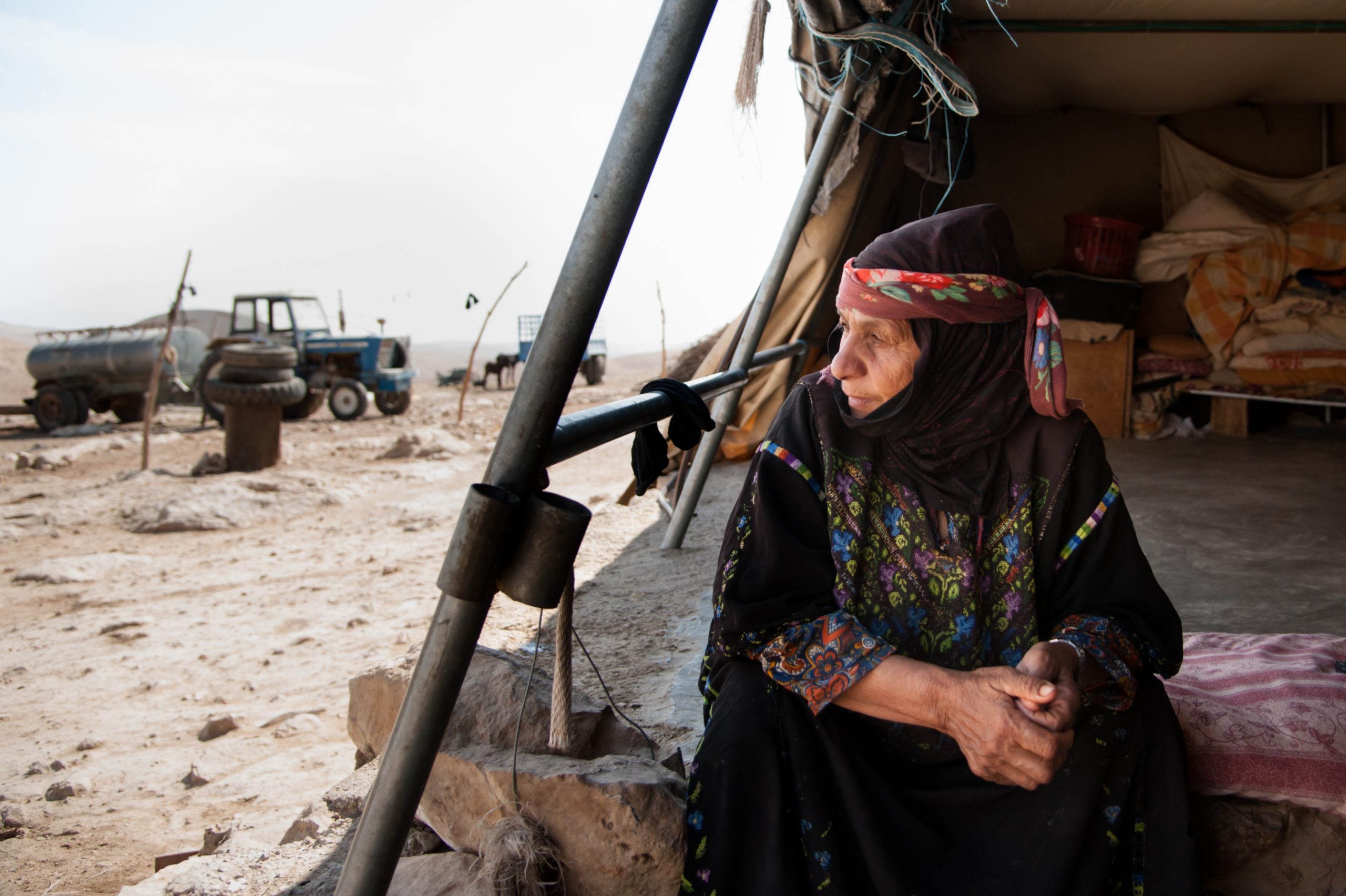

The ethnic cleansing of the West Bank continues at an increased pace and the world remains silent—as it remains silent as the genocide in Gaza continues unabated. Israel’s project to steal all Palestinian lands in the West Bank proceeds. Settler attacks on Palestinians remain a daily occurrence. Palestinians are arrested and disappear into Israel’s sprawling network of torture facilities.
The story everywhere is the same throughout the West Bank. Israel continues to tighten the noose around villages to force Palestinians to flee or relocate into urban enclaves which are encircled by settlements and controlled by roadblocks. The apartheid state controls every inch of every Palestinian’s movements.
My friend and contact from the village of Kisan, Adnan al–Abayat, continues to document the situation there. Indeed, the sustained assault on Kisan, located 15 kilometers southeast of Bethlehem, has been going on for years, as settlements and illegal outposts slowly encircle the community. On Tuesday of last week Adnan reported that the last of the agricultural land surrounding the village has been appropriated and cynically classified as a “closed military zone.” Most Palestinian land has been stolen in just this manner.
Adnan sent the following by text:
The Israeli army is preventing residents of Kisan village from accessing the northern part of the village, known as Wadi al–Awaj, claiming it is a closed military zone. Over the past two days, the army has attempted to arrest several residents and today reiterated its warnings against entering the area, while allowing settler shepherds to graze their flocks there. This has effectively isolated the village from its surrounding land.
Any attempt by Kisan residents to graze their animals is met with violence. Over the weekend Adnan reported that settlers attacked village shepherds when they tried to graze their animals on the western edge of the village. In grotesque displays of racist chutzpah, as Jewish settlers graze their animals on Kisan’s land they bring their herds hard by village homes as a further form of harassment and intimidation.
With no land left for grazing, what will the people of Kisan do? This was a question I asked Adnan. Will people be forced out? I wanted to know.
“I don’t think the people of Kisan will leave now,” Adnan replied. “They will remain steadfast in the village regardless of the consequences. There is no alternative for them but Kisan.”
Even as communities are squeezed people refuse to leave.
Palestinians will not give up their land. It may be stolen from them. They might be driven from the land through violence. They can be bombed and massacred as they have been in Gaza, but still they remain.
How, I asked another friend, do Palestinians hold onto hope? Her reply, which I share below, gives hope an altogether different meaning, one imbued with the strength that comes of determination, a refusal to accept subjugation, and an insistence on the right to remain on their ancestral land.
Palestinians believe that the colonial reality imposed on them cannot be accepted or endured, it must be confronted. The presence of hope does not mean adapting to this reality; it means rejecting it. Hope here is not an emotional feeling, but a conscious stance and an act of resistance.
To have hope is to refuse the normalization of this reality. And in order to confront it, hope must remain, because without hope there is no life and no steadfastness. Hope affirms our inner existence, prevents us from breaking, and gives us the strength to continue.
Hope grows from the act of rejecting this reality. Its absence, on the other hand, implies acceptance and that is a tragedy. All our steadfastness is built on hope, and all our continuation depends on it. That is why hope must remain alive, no matter how harsh the reality is.
At the same time, the daily hardships people live under—occupation, poverty, loss, repression, and closed horizons—understandably shape their emotional state. It is true that you may see people who appear exhausted, discouraged, or even hopeless on the surface. This does not mean that hope is absent; it means that hope exists under pressure.
As Mahmoud Darwish wrote, “We love life if we find a way to it.” This love of life is not denial of pain, it is resistance to it. People may look tired, but they continue to live, to love, to raise their children, to plant their land, and to remain. And this, in itself, is hope.
And then she shared the following poem by the revered Palestinian poet:
“And We Love Life”
And we love life if we find a way to it.
We dance in between martyrs and raise a minaret for violet or palm trees.
We love life if we find a way to it.
And we steal from the silkworm a thread to build a sky and fence in this departure.
We open the garden gate for the jasmine to go out as a beautiful day on the streets.
We love life if we find a way to it.
And we plant, where we settle, some fast growing plants, and harvest the dead.
We play the flute like the color of the faraway, sketch over the dirt corridor a neigh.
We write our names one stone at a time, O lightning make the night a bit clearer.
We love life if we find a way to it…
—Mahmoud Darwish
Source: https://thefloutist.substack.com/p/hope-an-act-of-resistance