 David A. Merkel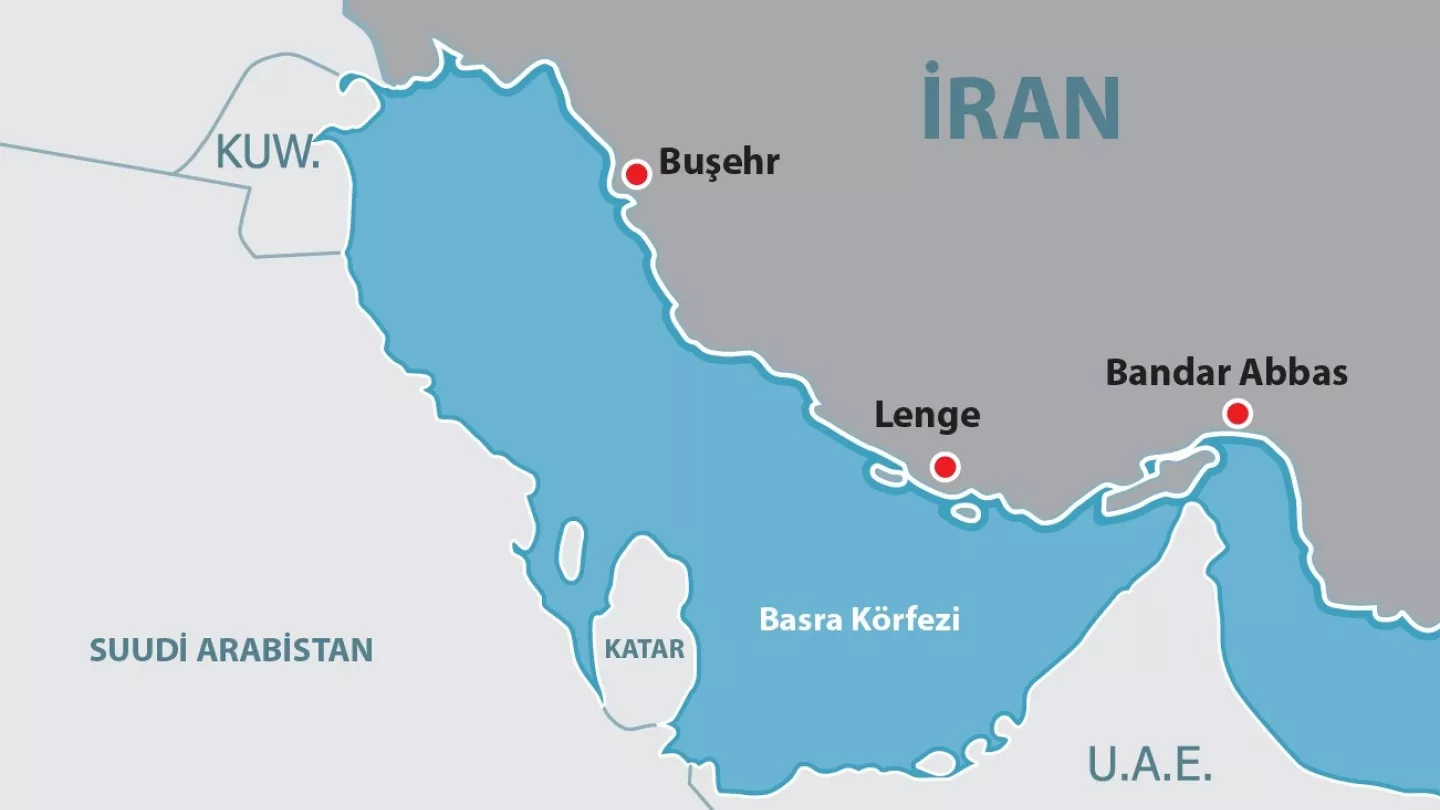

Iran’s actions in the Strait of Hormuz highlight a simple but enduring reality: the global economy depends on physical routes, and many of those routes pass through exceptionally tight corridors. What strategists describe as the “global commons” – the shared maritime domain that underpins trade –remains accessible only through a handful of narrow gateways. As naval strategist Alfred Thayer Mahan observed, “Whoever rules the waves rules the world.” Today, that lesson plays out most clearly in the Strait of Hormuz, where a single waterway can shape energy markets worldwide.
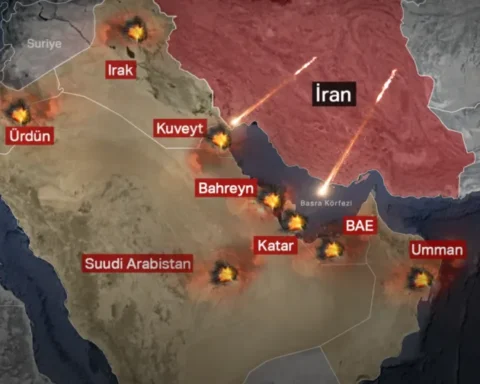
Roughly one in five barrels of the world’s oil, and a large share of liquefied natural gas, transits this narrow passage daily. Iranian officials have been explicit, as one senior Revolutionary Guard adviser warned, “The strait is closed. If anyone tries to pass… we will set those ships ablaze.” Disruptions have already reduced global oil supply, interrupted LNG shipments, and contributed to rising inflationary pressures. The vulnerability of this corridor is a stark reminder that geography continues to confer strategic leverage.
The proliferation of advanced weapons systems amplifies this effect. Missiles, drones, naval mines, and fast attack craft can threaten heavily trafficked waterways with limited investment. Control of a chokepoint is no longer about commanding the seas; it can be about credible denial—leveraging geography to project influence over trade and energy flows.
History underscores the strategic importance of such corridors. At the height of the British Empire, the Royal Navy managed access to key maritime gateways. Britain held Gibraltar at the Mediterranean’s entrance, secured the Suez Canal as the shortest route to India, maintained a presence in Aden at the mouth of the Red Sea, and established Singapore to oversee the Strait of Malacca. The Cape of Good Hope provided an alternative when other routes were threatened. Britain did not need to control every ocean, only the narrow doors between them.
The principle remains that global commerce flows through narrow sea lanes. Control those gates, and states gain outsized influence over trade, movement, and strategic outcomes.
Today, the majority of goods still travel by sea, and energy supplies remain highly dependent on maritime routes. Liquefied natural gas adds flexibility but does not eliminate geographic constraints. When chokepoints like Hormuz are threatened, the consequences extend well beyond the region.
For decades, the United States and its partners have maintained a naval presence and a Freedom of Navigation posture designed to keep these sea lanes open. Successive national security and defense strategies have emphasized that ensuring uninterrupted movement through critical maritime corridors is not an ad hoc priority but a core component of global economic and strategic stability.
The Indian Ocean illustrates the growing stakes. Once peripheral, it now links Middle Eastern energy, Asian manufacturing, and emerging African markets. Chokepoints along this route – Hormuz, Bab el-Mandeb, and Malacca – are among the most critical globally. Having recently joined the steady flow of commercial shipping transiting the Strait of Malacca, the scale and density of this traffic, and its dependence on a narrow corridor, are striking. Disruption anywhere in this network reverberates worldwide.
The security of a few narrow waterways underpins much of the global economy. When they function, the system is nearly invisible. When they are disrupted, the effects are immediate, as the world is now seeing in the Strait of Hormuz. The modern world may feel borderless, but its lifelines remain narrow, and fragile.
* David A. Merkel is a visiting distinguished fellow at the College of Charleston and an Associate with LSE IDEAS. He served as the US deputy assistant secretary of state and director of the National Security Council.
Source: https://www.geopoliticalmonitor.com/the-strait-of-hormuz-and-the-power-of-chokepoints/