 Zaki Kaf Al-Ghazal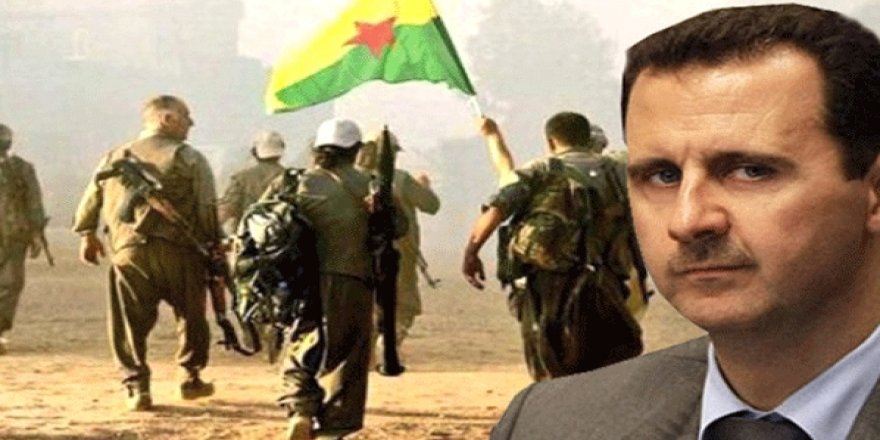

Is it possible for a state to develop, sustain economic growth, keep its citizens safe, and start to rebuild after many years of conflict when it does not fully control its own territory? This was the question facing Syria under Ahmed Al-Sharaa until recently, and whilst the state is still facing questions in the Sweida region in the far south, the size of the area and its population pale in comparison to the north-east, which was until recently controlled by the Syrian Democratic Forces (SDF.
The collapse of the SDF was quick, and has been likened by commentators to the fall of Assad just over a year ago, but it was also self-inflicted and a result of poor decisions from within the group itself.
There is a general misunderstanding of the SDF; as much as they may have tried, they never truly operated as a state within a state, and are essentially a militia group affiliated to the PKK (which is designated as a terrorist group by various countries) who had visions of creating an independent Kurdish-led region in north-eastern Syria.
The SDF were part of the coalition against Daesh over the past decade and were a key US ally but a key reason for their recent downfall lies in the withdrawal of US support; after all, why would the US support a militia when the Syrian government itself is now a key partner against ISIS and has proven itself to be relatively stable, since the collapse of the Assad regime?
The SDF itself is not a cohesive group. Mazloum Abdi, its leader, was considered weak, and there were factions within the militia who wanted him to be more aggressive from the outset, whilst others favoured integration. These divisions created problems for the leadership and meant decision-making was affected.
Moreover, the SDF does not seem to have been popular with the local population under its control. No improvements were made to the infrastructure, nor were any services provided to the local population. It seems that Assad-era tactics of suppressing dissent, jailing critics and even torturing prisoners were practiced by some members of the group, and ideologically, they were not a natural fit in north-western Syria.
A group with its origins in Marxism trying to rule over a socially conservative area was generally viewed suspiciously by the people in the region, even more so when the areas under their control, such as Sheikh Maqsood, Al-Ashrafiyyah in Aleppo and other areas in the north-east of Syria, were still poorly developed despite SDF’s control over oil sales (which was in the past smuggled out of Syria on the cheap) and the Iraqi border. Most of the revenue from oil sales went into digging hundreds of kilometres of tunnels under their controlled areas in Aleppo and the north-east.
The Kurdish group’s disinterest and lack of care for the wellbeing of the local population can be seen by the reaction of local residents when the SDF were forced out and the celebratory mood after the government moved in. Trepidation perhaps, but a genuine feeling of excitement after years under SDF control and before that, the Assad regime. The 8th of December celebrations were, in a way, delayed in the north-east, and are finally taking place.
When the SDF prisons were taken over by government forces, there was shock that minors were held in degrading conditions and memories of the Assad Regime’s treatment of prisoners came flooding back. For a group that would regularly talk about feminism and highlight the crucial role female fighters played, its treatment of children was abhorrent and there were even reports of child soldiers being utilised by the group.
The lack of international condemnation for this is disappointing, but this contributes to a wider narrative of a group that not only didn’t know how to govern but crucially, had no ethical framework and demonstrated hypocrisy in the way in which it treated the Syrian people by also supporting the separatists in both Sweida and the remnants of the Assad regime on the coastal region.
Ironically, a lot of this could have been avoided. Whilst the Syrian people have been aware of SDF’s cruelty for years, the wider world would likely have found out far less, and the anger towards the group would have been calibrated had the 10th of March agreement last year been implemented. There was an agreement last year between the SDF and the Syrian government on integrating the SDF into the national army and bringing the north-eastern region under government control for the first time since 2012. The SDF reneged on the agreement and multiple opportunities for coaxing the group into the state failed.
SDF launched missiles and Katyusha rockets into some neighbourhoods in Aleppo from the two areas it held (Shaikh Maqsood & Al-Ashrafiyyah). Patience with the group wore thin and the Syrian government launched its offensive 10 months after the agreement. An evacuation was arranged by the government as it announced its offensive, and straight after regaining the areas, allowed the civilians back to their homes.
The SDF’s bombardment of the districts in Aleppo and its use of Iranian made drones as well as its destruction of bridges over the Euphrates river, won it few friends and was another example of its tendency to miscalculate. The Syrian army managed to control a large area and a few cities including Raqqa, Deir ez-Zor, and southern Al-Hasakeh within a few days, as many of the local Arab tribes revolted against the SDF in the Eastern areas of the Euphrates river. The local Arab population in the Eastern Euphrates areas welcomed the Syrian army into their cities and towns and forced the SDF to flee towards Al-Hasakeh and Qamishli.
A ceasefire has now been agreed as time will be granted for Daesh detainees in SDF prisons to be transferred to prisons in Iraq. Regardless, the SDF has lost the majority of its territory, so it would be interesting how it approaches its next move. A return to the 10th of March agreement would be its wisest move.
Ilham Ahmed, a senior SDF figure’s comments on accepting support from Israel (a state currently occupying Syrian territory and until recently bombarding it) were not something the Syrian people could stomach, and cemented the ill will towards the group.
It is crucial to mention that prior to the government offensive, Al Sharaa instituted decree 13 granting the Kurds in Syria new rights and formally recognising Kurdish as a national language as well as the festival of Nowruz a public national holiday. Under this decree, Kurds would be granted full Syrian nationality, and the measures instituted during the ruling of the Baath Party and since the 1962 census in Hasakah which stripped many Kurds of their nationality would be abolished.
There is an argument that these moves could have come sooner, but they are not indicative of a government that is determined to suppress the Kurds in Syria and suggest a maturity in recognising the very real difference between the SDF militia and the Kurdish people, who are not one and the same.
The Syrian president stressed in his interview with the Kurdish TV channel (Shams) based in Irbil, the full citizenship rights of the Kurdish people under the law.
Ultimately, what is in a name? The Syrian Democratic Forces seem to be neither truly Syrian, considering their PKK roots in Turkey and lack of willingness to engage with the Syrian people, nor are they democratic when the voices of those who lived under them are not listened to whilst they force minors and children to join their militias.
The human rights abuses and repression were copycat Assad tactics, which invariably makes sense when it is recognised that Assad and the SDF collaborated extensively during the latter years of the conflict. And whilst it seems that the SDF’s days are numbered, accountability and transitional justice must be at the centre of reconciliation efforts in the new Syrian state.