 Christian Vezilj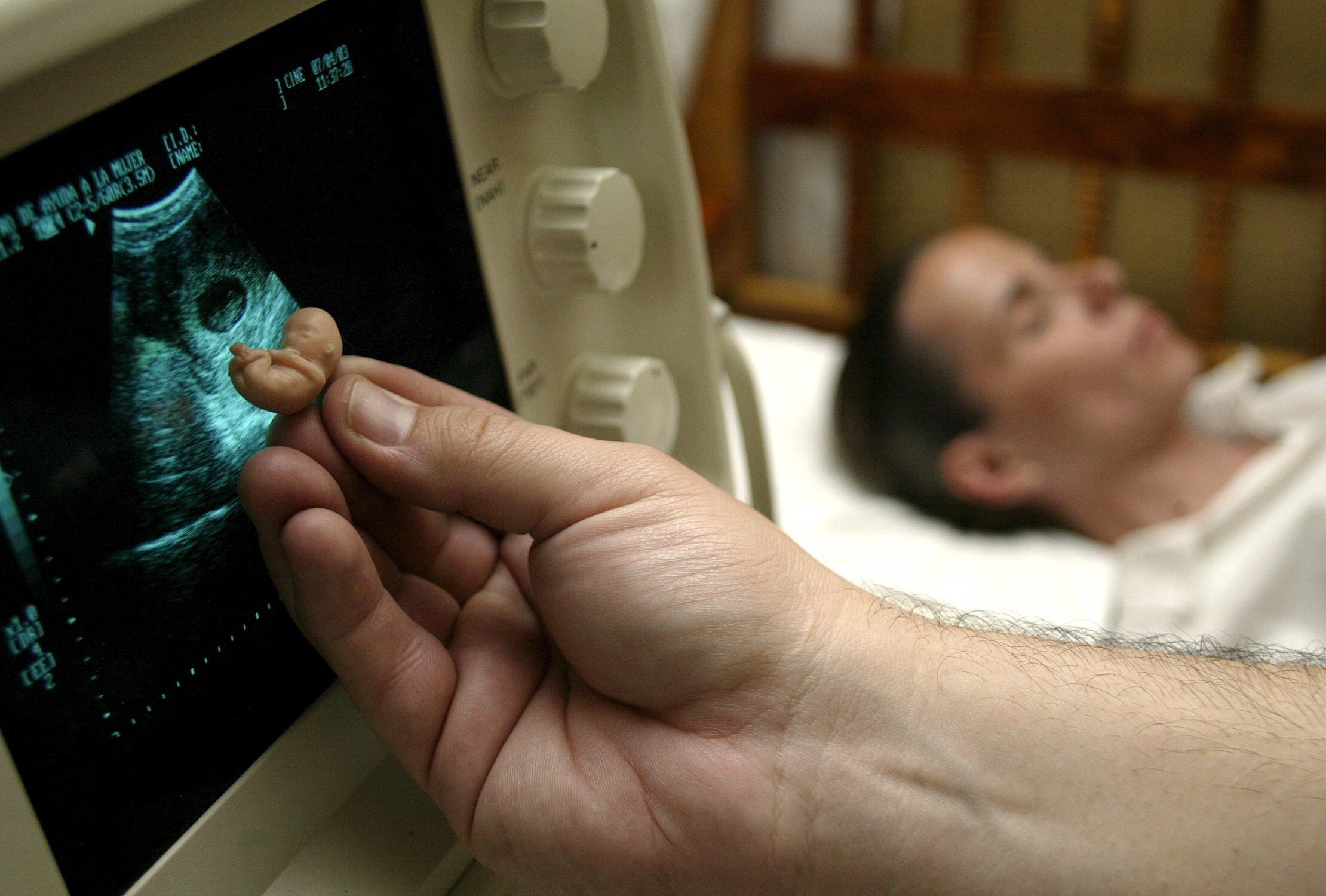

“The test of the morality of a society is what it does for its children.” These words, attributed to Dietrich Bonhoeffer, echo like a warning bell across generations. They are not merely poetic, they are prophetic. If we dare to measure our society by this standard, we must confront a painful truth: we are failing.
At the heart of this failure lies the collapse of the nuclear family. Once the cornerstone of civilization, the family, father, mother, and children bound by love and duty, has been systematically dismantled. In its place, we find broken homes, single-parent households, and blended families struggling to find emotional equilibrium. The consequences are not abstract, they are measurable, generational, and devastating.
As Ronald Reagan once said, “The family has always been the cornerstone of American society. Our families nurture, preserve, and pass on to each succeeding generation the values we share and cherish.” When that cornerstone crumbles, so too does the moral architecture built upon it.
Today, the majority of children are raised without both biological parents. Fatherlessness has become a defining feature of modern childhood. Studies consistently link father absence to increased rates of poverty, incarceration, substance abuse, and suicide. Children raised in single-parent or stepparent homes often face emotional instability, identity confusion, and a longing for roots that were never planted.
This is not to condemn those who struggle valiantly to raise children alone, it is to indict the cultural forces that made such struggle the norm. As G.K. Chesterton warned, “The most extraordinary thing in the world is an ordinary man and an ordinary woman and their ordinary children.” We have lost sight of that miracle. We have traded the sacred for the synthetic. Without faith, truth becomes subjective. Without family, love becomes conditional. And without both, children become casualties of a broken covenant.
Meanwhile, in the name of “gender-affirming care,” we perform irreversible surgeries on minors, removing healthy breasts from young girls and administering powerful drugs that alter development. These interventions, framed as progressive, raise profound ethical questions about consent, identity, and the role of adults in safeguarding childhood. What kind of society mutilates its children in the name of compassion?
Our educational system, once designed to cultivate virtue and civic responsibility, now too often teaches children to despise their own country, to dismiss religion and the scriptures, and to pursue only personal fulfillment, immediate satisfaction, and fleeting pleasure. Instead of instilling gratitude for the sacrifices that built our nation, schools neglect the founding principles and the extraordinary benefits enshrined in the Constitution — liberty, justice, and the balance of powers meant to safeguard freedom. By stripping away reverence for God and country, and replacing it with self-centered ideologies, we leave children unmoored, disconnected from their heritage, and vulnerable to the emptiness of a life defined only by consumption and desire.
We live in a society where headlines about the abuse, assault, and even murder of children barely stir outrage. The public grows numb, desensitized by repetition, and the focus of debate often shifts toward the perpetrator — his motives, his rights, his rehabilitation — while the innocent child, whose life has been shattered or extinguished, fades into the background. This inversion of justice is not compassion; it is moral blindness.
The consequences are visible. Children grow into adults who are emotionally adrift. Loneliness, depression, and addiction are no longer rare, they are epidemics. The very generation we failed to protect now struggles to find meaning, connection, and purpose. They are not just victims of broken homes; they are survivors of a broken culture. We must protect children not only from physical harm, but from ideological confusion and emotional neglect.
The Ultimate Test: A Society That Kills Its Young
Lastly — and most importantly — we must confront the darkest reality of our age: the murder of over a million babies every year through abortion. This is not a statistic; it is a moral catastrophe. We have grown numb to the destruction of innocent life, with no thought as children are extinguished before they ever draw breath. Even after Roe v. Wade was overturned, reports showed an uptick in abortions in 2024. Restrictions proved insufficient, as women found ways to circumvent them, and the killing continued.
A society that kills its young is not merely misguided — it is sick and sad. Aleksandr Solzhenitsyn warned, “Men have forgotten God; that’s why all this has happened.” His words ring true here: when reverence for life and faith in God are abandoned, death becomes normalized. John Paul II declared, “A nation that kills its own children is a nation without hope.” These voices remind us that abortion is not just a private choice — it is a public wound, a collective betrayal of the most vulnerable.
The family, already fractured by divorce, fatherlessness, and neglect, is further undermined when motherhood itself becomes conditional. Children raised in broken homes often struggle with addiction, depression, and despair as they enter adulthood. But abortion denies even the possibility of life, cutting off legacy before it begins. It is the most radical expression of a culture that has traded covenant for convenience, stewardship for self-interest.
Scripture is unambiguous: “Before I formed you in the womb I knew you, before you were born I set you apart” (Jeremiah 1:5). To deny this truth is to deny the sacredness of life itself. And when a society denies life, it denies its own future.
If the measure of morality is how we treat our children, then abortion is the ultimate indictment. It reveals a culture that has lost its soul, a people who have forgotten their duty to protect the innocent. Yet it also calls us to repentance, remembrance, and restoration. We must reclaim reverence for life, rebuild the family, and restore faith in God if we are to have hope.
For in the end, the measure of our civilization will not be its wealth, its technology, or its politics. It will be the faces of the children we protected, the families we restored, and the legacy we dared to preserve.
Source: https://www.americanthinker.com/articles/2025/12/children_the_measure_of_a_society.html