Crimes Against Humanity in Syria – 4: Systematic Torture in Prisons
Systematic Torture in Syrian Prisons: A History of Atrocity
In Syria, particularly during the Bashar al-Assad regime (2011–2024), prisons became centers of systematic torture, enforced disappearance, mass executions, and inhumane treatment. These practices are described as a “death machine” used by the regime to suppress dissidents, protesters, and civilians. With the collapse of the regime on December 8, 2024, prisons such as Sednaya were exposed, and thousands of detainees were rescued. However, tens of thousands of missing persons and mass graves remain as evidence of unresolved trauma. This brutality has been documented in reports by organizations such as the United Nations (UN), Amnesty International, and the Syrian Network for Human Rights (SNHR).
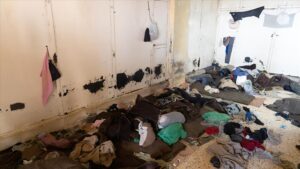
Background and Scope
The Regime’s System of Detention and Torture: Since the 2011 Arab Spring protests, the regime arbitrarily detained more than 1.2 million people through four main intelligence branches (military, political, air force, and state security). This was the regime’s policy of “enforced disappearance”: Detainees were hidden from their families, extrajudicially executed, or killed under torture.
Death Toll: According to SNHR, more than 136,000 people were held in prisons between 2011 and 2024; more than 17,000 died due to torture, starvation, and disease. According to UN estimates, 13,000 people were executed in Sednaya alone. In total, there are more than 150,000 “disappeared.”
Latest Developments: After the regime fell, 134,000 leaked documents and more than 10,000 photographs of corpses—known as the “Damascus Files”—revealed that torture had been carried out on an industrial scale. The bodies showed signs of starvation, beatings, and burns; even babies and women were among them.
Main Torture Centers
The regime used 72 different torture methods in more than 50 centers. These are classified as civilian prisons, military facilities, and secret interrogation rooms. Here is the most notorious one:
Center
Sednaya Prison (“Human Slaughterhouse”)
Location
North of Damascus, 30 km
Features and Types of Torture
Mass hangings of 50 people once or twice a week (over 30,000 deaths between 2011 and 2018). “Welcome party” beatings, rape, electric shocks, starvation. Detainees were deprived of water for 3 days and then executed; the bodies were lined up like sacks of potatoes.
Center
Al-Khatib Branch
Location
Damascus
Features and Types of Torture
Intelligence interrogation center; known as the “Death Branch.” Mass rape of women, “shabeh” (suspension by the wrists), “German Chair” (a spine-breaking restraint device).
Center
Tadmur (Palmyra) Prison
Location
Homs
Features and Types of Torture
A torture center since the 1980s; mass killings (e.g., more than 1,000 deaths in 1980). Electric shocks, burning, and nail extraction.
Center
Mezzeh Air Base
Location
Damascus
Features and Types of Torture
Military prison; dousing with cold water, forcing prisoners to imitate animals, leaving detainees to fall ill.
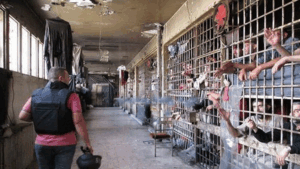
Common Methods of Torture
The procedures were designed to extract confessions, punish, and cause psychological destruction. The methods were physical, sexual, and psychological:
Physical: Falaqa (beating the soles of the feet), dulab (suspension inside a tire), bisat al-rih (“flying carpet” – folding and applying electric shocks), whipping, cigarette burning, water biscuit (choking).
Sexual: Rape, threats against family members, forced assaults on fellow detainees. Women were subjected to gang rape under the false accusation of “jihad marriage.”
Psychological: Mock executions, forcing detainees to watch others being tortured, solitary confinement, starvation (mixing blood into food).
Systematic Elements: Detainees were transported in “meat locker” trucks; guards (such as “Abu Yakub”) specifically targeted the elderly. Torture was even broadcast online.
Testimonies and Videos
Survivors describe the horror as follows:
Ammar Dughmush (survivor from Sednaya): Spent 6 years there; subjected to beatings upon arrival, “welcome party” assaults, and sexual violence. “My life turned into a disaster.”
Omar al-Shogre: Detained in 11 prisons; contracted tuberculosis, suspected of being targeted for organ harvesting.
Videos: Footage leaked from the phone of a Sednaya guard shows a young man being beaten while being asked, “Do you want freedom?” UN teams examined mass graves and evidence rooms; survivors confronted the guards.
X (formerly Twitter) posts also contain similar testimonies: Families are still searching for the missing, and former guards are confessing.

International Reactions and Outcomes
UN and OHCHR: Declared the torture “crimes against humanity”; 119 victim files were documented. The new authorities were called on to preserve the evidence.
Amnesty International: Described Sednaya as “inhumane” and demanded an independent investigation.
Courts: The Koblenz trial in Germany convicted regime officials. The “Caesar Photos” (55,000 images of corpses) were accepted as evidence of war crimes.
Current Situation (December 2025): The new administration has shut down the prisons, but allegations in some centers linked to groups such as HTS are under investigation. Over 70,000 new photos were leaked; investigations are ongoing in Europe.
Sednaya Prison Testimonies: Voices of the Survivors
Sednaya Prison was one of the most horrific detention centers of the Bashar al-Assad regime, known as a “human slaughterhouse.” Since the 1980s, this facility swallowed opponents, protesters, and civilians—becoming a site of systematic torture, mass executions, starvation, sexual violence, and enforced disappearances. With the fall of the regime (December 2024), thousands of detainees were freed, but more than 100,000 remain missing. Survivors’ testimonies have been documented by organizations such as the UN, Amnesty International, and the Association for the Documentation of Syrian Prison and Disappearance Details (ADMSP). These testimonies depict physical and psychological devastation, a hell ruled by silence and fear. Below, I summarize the stories of prominent survivors—compiled from Al Jazeera, NPR, Anadolu Agency, and posts on X (formerly Twitter).
Notable Testimonies
Survivors detail the horror, from the “welcome party” beatings at the entrance to weekly mass hangings. Here are some of them:
Witness
Omar Alshogre (NPR interview)
Duration of Detention
3 years in Sednaya starting in 2014
Main Testimony Summary
“In Syria, you don’t need a reason to be arrested; they arrest you first, then find one.” He was taken during a raid while chatting with his cousin. He endured rape, starvation, and lack of hygiene in Sednaya. Upon reuniting with his mother after his release: “For over half a year, I thought I hadn’t been released from prison or that I was dead. My mother is the strongest woman in the world.” The physical and mental trauma continues; he was held in 11 different prisons.
Witness
Ammar Dughmush (Anadolu Agency)
Duration of Detention
2018–2024, 6 years
Main Testimony Summary
He was ambushed in Eastern Ghouta and transported in a chained truck from Mezzeh Airport to Sednaya (with 145 people). He was stripped naked and beaten upon entry. Cell: 8×16 feet, 120 people; they slept on top of each other, and people suffocated to death in the mornings. Guard “Abu Yakub” targeted the elderly: “If you had raised your sons better, the country wouldn’t be like this,” he would say as he beat them. On the night of his release: “We broke our chains and reached freedom, but the trauma didn’t end.”
Witness
Riyad Avlar (UN and ADMSP)
Duration of Detention
21 years (10 in Sednaya)
Main Testimony Summary
He was subjected to physical, psychological, and sexual torture. He lived in fear of extrajudicial execution. After his release (2017), he founded ADMSP and began recording survivor testimonies in a database. “Survivors and families of the disappeared must be at the center of transitional justice.” He opened psychotherapy and physiotherapy centers; he also protects families from fraudsters.
Witness
Ahmed Abd Al-Wahid (The Free Press documentary)
Time in Detention
Years in Sednaya
Main Testimony Summary
At dawn, names were read aloud, and they were left starving (3 days without water). Executions could be heard through the sound of chains; bodies were stacked like sacks of potatoes. During monthly inspections: “We didn’t come here to check, we came to kill.” After liberation: “The sounds are still in my ears.”
Witness
Jamal and Salam (The Guardian, audio testimonies)
Duration of Detention
Years
Main Testimony Summary
“Silence was deadly: speaking, coughing, or moving could lead to execution.” Even the sound of killing a bug had to be as faint as “crushing sesame seeds.” Sounds of fighting: “Like a wall collapsing, the building would shake.” The sound of bread hitting the floor offered a glimmer of hope. Artist Lawrence Abu Hamdan’s “ear witness” interviews reconstructed the prison through sound memory.
Witness
Suhail Al-Daqs (Syrian Prisons Museum)
Duration of Detention
Unspecified, rescued in 2024
Main Testimony Summary
Moment of release: “Words are not enough; it was a mix of joy and fear.” Events before rescue: Raids, fear of execution. He gave his testimony to the museum; he is collecting evidence for 3D reconstruction.
Common Themes and Details
Entry Ritual: New arrivals were beaten, humiliated, and sexually assaulted during the so-called “welcome party.” Graffiti on the walls read: “First day—severe beating.”
Daily Survival: Cells were extremely overcrowded; there were no beds, and people slept on top of each other. Hunger was rampant (even bread was rare), and diseases spread easily. Fans were turned off, and suffocation was used as punishment. Prayers were performed secretly under blankets, watched by cameras.
Torture Methods: Shabeh (suspension by the wrists for 8–10 hours), electric shocks, burning, forced confessions. Detainees were made to beat each other; threats were made against family members.
Executions: 50 people were hanged each week. Prisoners were starved for three days beforehand. Bodies were burned or buried in mass graves. Survivors memorized the names: “There were executions every day.”
Women and Child Prisoners: A woman who entered at age 19 said: “I’m 32 now. I have children, but I don’t know who their father is.” One young man could not speak—he had grown up in prison.
Moments of Liberation: When the prison doors opened in December 2024, families rushed in. Some survivors still crouch like guards. In videos, those rescued cry: “The voices can still be heard.”

Recent Developments and the Quest for Justice (December 2025)
One year after the regime’s fall, ADMSP and the Syrian Prisons Museum expanded their witness databases. 3D models and audio recordings now serve as evidence. Confrontations with guards have begun: One survivor accused a guard of forcing him to drink tea laced with urine—the guard confessed. The UN continues its investigations into “crimes against humanity”; international courts such as the Koblenz trial are ongoing. Families are still searching for their missing loved ones; 12,000 families have contacted the hotline.
This atrocity stands as a symbol of the regime’s 61-year Baathist dictatorship. The search for justice continues for survivors, but there is a risk that evidence may be destroyed.
These testimonies reveal not only the brutality but also the resilience of the survivors. Groups such as ADMSP are working toward rehabilitation and justice.
Sources: UN, Amnesty, SNHR, Anadolu Agency, NPR, The Guardian, X posts.